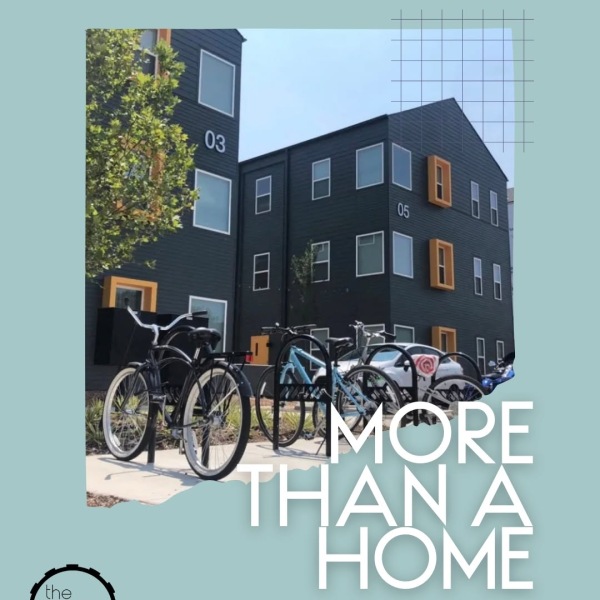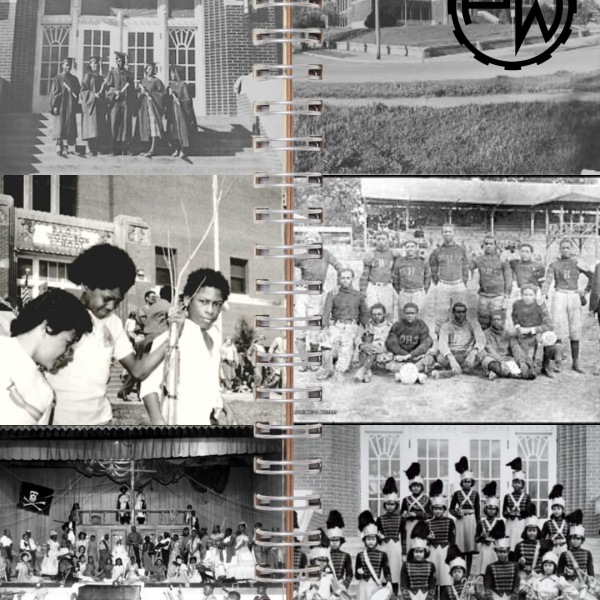




The Page Woodson campus has long held meaning in northeast Oklahoma City. Once home to the original Lowell School and later Douglass High School, the site served as a cornerstone of education, leadership, and community for generations of Oklahoma City residents.
Established in the early 1900s, the campus became Douglass High School in 1934 during segregation and grew into one of the most important educational institutions for Black students in Oklahoma. For decades, Douglass High School helped shape educators, civic leaders, athletes, artists, entrepreneurs, and community members whose influence reached far beyond the campus.
After the school closed in 1993, the property remained vacant and fell into disrepair for many years. Through preservation and redevelopment, the historic campus was renewed as Page Woodson — a mixed-income residential community that honors the site’s cultural significance while creating homes, retail, and neighborhood connection for today.
At The Seven, each residential building is dedicated to a historic figure whose life and work helped shape Oklahoma City’s Black educational, civic, literary, musical, and cultural legacy. Throughout the property, color-coordinated building entrances feature portraits and short biographies, creating a walkable tribute woven into the everyday experience of the community.
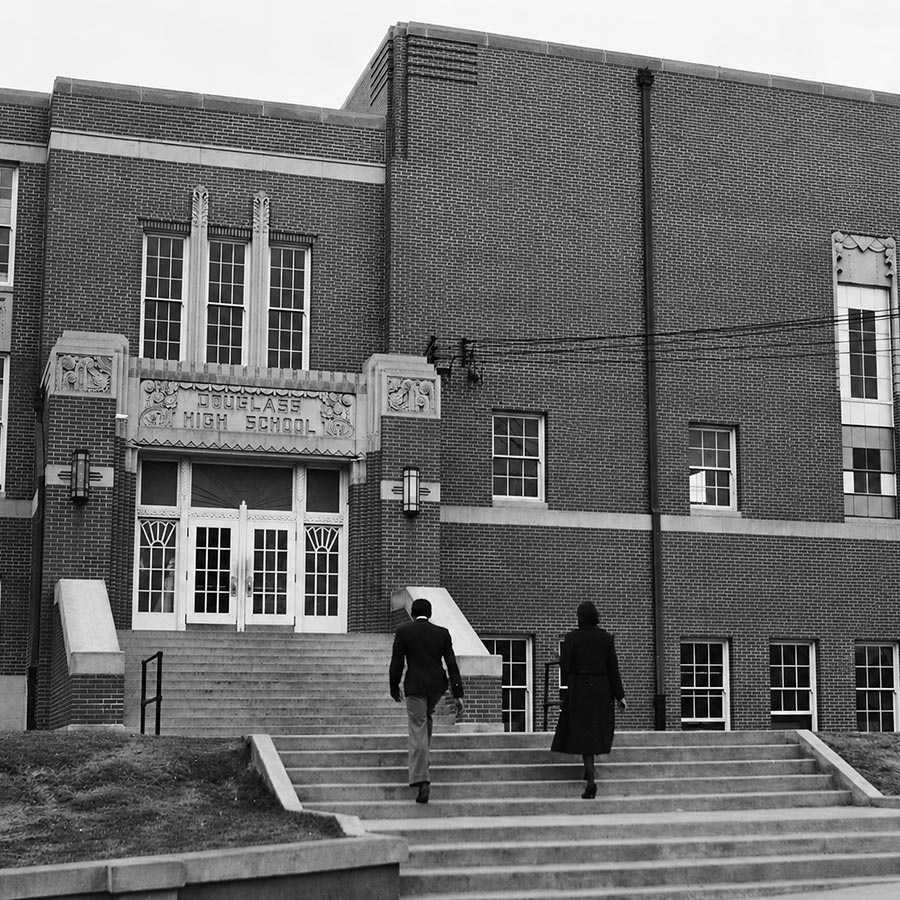
From School Campus to Community
The Page Woodson campus began as a place of education and grew into a cornerstone of Black educational and cultural life in Oklahoma City. Today, the renewed community carries that legacy forward through preservation, housing, retail, and neighborhood connection.
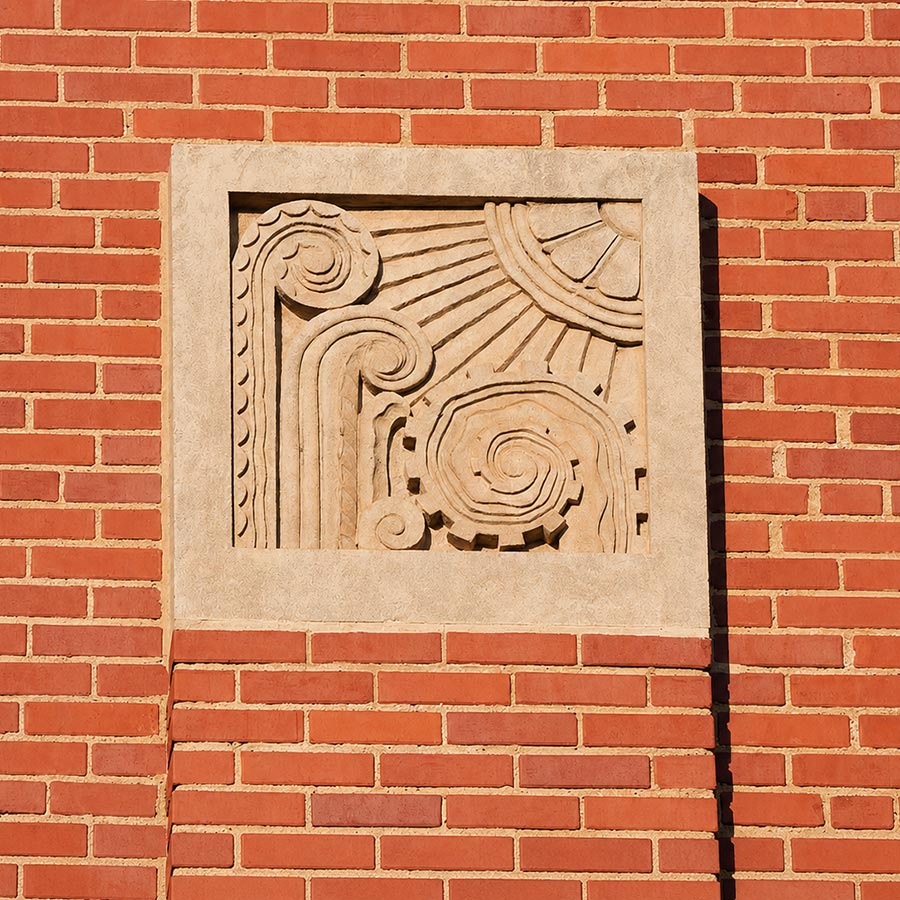
Architecture as Memory
The Page Woodson identity is inspired by the original architectural details of the former Douglass High School building, including carved ornament, radiating linework, and framed Art Deco forms. These details continue to shape the visual language of the community today.